Tips to get started, by Chad Colby
updated 9/12026
Getting Started with Drones in Agriculture
Over the years, I’ve had the opportunity to talk with farmers around the world about drones and their role in agriculture. What started as an interesting way to capture aerial photos has developed into a serious tool for scouting, mapping, crop imagery, spraying, surveying and collecting data from places that can be difficult to see from the ground.
I’ve been flying drones for years, and one thing hasn't changed: experience matters. Technology continues to get easier to operate, but buying a drone doesn't automatically make someone a good or safe drone pilot.
Farmers still ask me, “What advice would you give someone getting started?”
Here are the things I think matter most.
Understand the Rules Before You Fly
Before putting an aircraft in the air, understand the rules that apply to what you're doing.
For commercial operations in the United States, that generally means understanding FAA Part 107, airspace requirements, Remote ID and any additional rules that apply to your specific mission.
Don't assume that because a drone will take off, you're legal to fly there.
A good starting point is the FAA's B4UFLY resources and FAA DroneZone.
Start With a Proven, Ready-to-Fly System
You don't need to start with the biggest or most expensive aircraft.
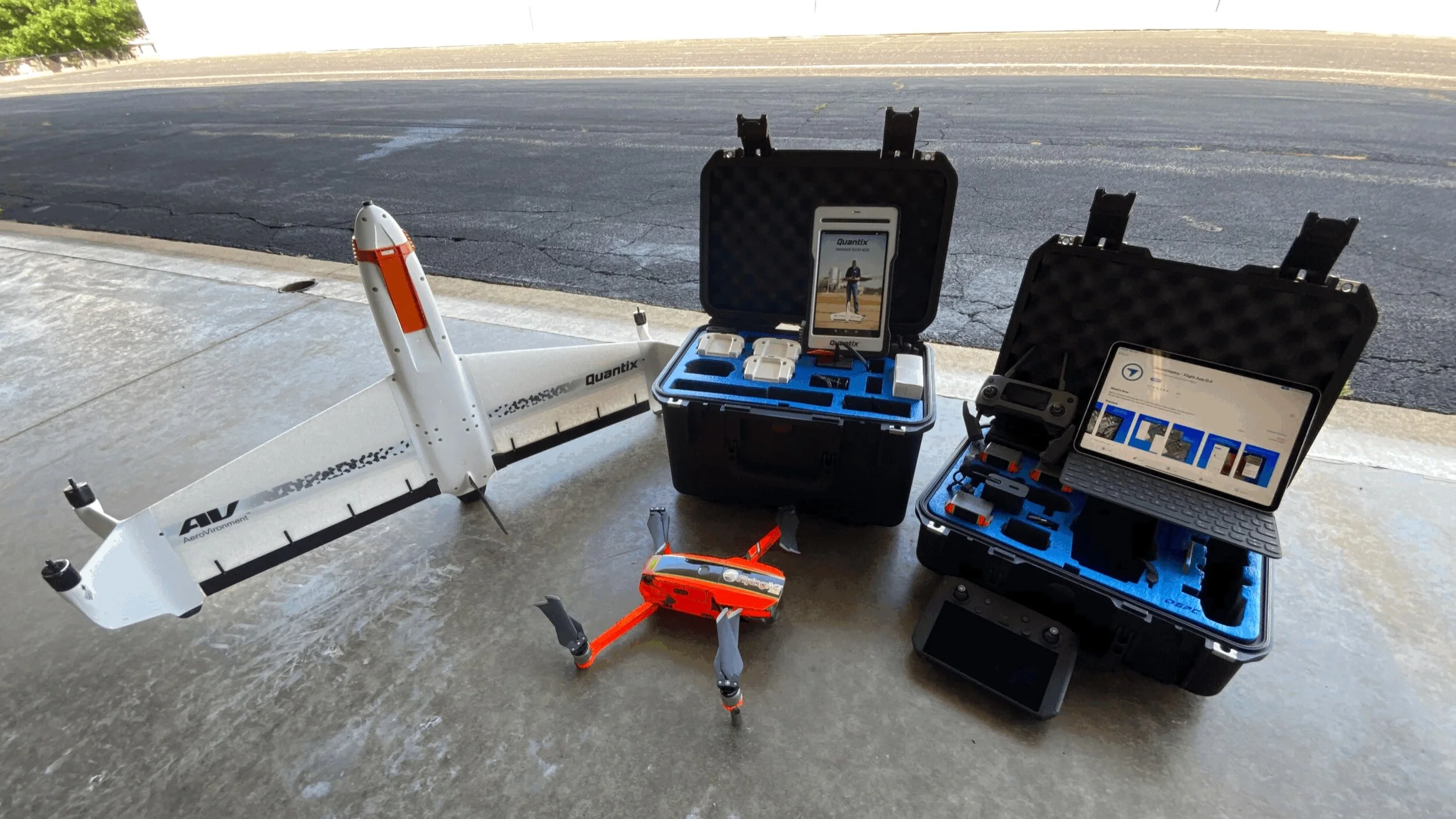
Today's drones offer tremendous capability right out of the box. Start with a reliable system, learn how it operates and build flight experience before moving into more advanced aircraft, sensors and missions.
I've worked with FlyingAg.com for years. FlyingAg is farmer-owned and understands that agricultural drones need to work in real operating conditions—not just look impressive on a spec sheet.
Define the Mission First
Don't buy the aircraft and then figure out what you're going to do with it.
Define the job first.
Are you taking photos and video? Scouting crops? Building an orthomosaic? Creating a 3D model? Measuring stockpiles? Applying crop protection products? Spreading cover crop seed?
Different missions require different aircraft, sensors, software and operator skills.
For mapping and data collection, tools such as DroneDeploy can help automate flight planning, image capture and processing.
Become a Student
Drone technology changes quickly.
Take advantage of manufacturer training, FAA resources, experienced operators and online education. Learn what happens when things don't go according to plan—not just which buttons to push when everything is working correctly.
Understanding batteries, weather, obstacles, GPS/RTK, flight planning and emergency procedures is every bit as important as understanding the camera or sensor.
Find the Right Operator
The person operating the aircraft matters.
A good drone operator is patient, methodical and willing to stop a flight when conditions aren't right. They understand the mission, the equipment and their own limitations.
The goal isn't simply getting the drone into the air.
The goal is getting the job done safely and bringing the aircraft—and useful data—back home.
Manage Risk Every Flight
I strongly recommend developing a repeatable preflight checklist.
Check the aircraft, batteries, weather, wind, airspace, obstacles, people, GPS status, mission settings and emergency procedures before every flight.
Technology can automate a lot of the work, but the pilot is still responsible for the flight.
Don't Wait to Start Learning
I heard this years ago, and I still hear it today:
“I'll wait until the technology gets better.”
The technology will get better. That's exactly why gaining experience matters.
Start with a mission that makes sense, use equipment appropriate for the job, and build from there. The knowledge you gain flying today will make you much more capable when tomorrow's technology arrives.
After years of flying everything from small camera drones to advanced mapping and agricultural systems, I'm still learning on every project.
Get educated. Define the mission. Manage the risk. Then get flying.
FlyingAg
I've worked with FlyingAg.com for years as agricultural drone technology has evolved from basic aerial imagery to today's advanced mapping, RTK and application platforms.
If you're looking for agricultural drone equipment, training or help determining which system fits your operation, visit:
FlyingAg.com
Here are some great online websites to help get you started. Unlike other fun hobbies, you will need to revisit these sites to keep current with new changes in this industry.
Federal Aviation Administration UAS - https://www.faa.gov/uas/
Know Before You Flight - http://knowbeforeyoufly.org
Academy of Model Aeronautics - http://www.modelaircraft.org